Your cart
There are no more items in your cart
 Exhaust Systems
 Intake & Cooling
 Suspension & Chassis
 Brakes
 Engine
 Electrics
 Fuel & Ignition
 Wheels & Tyres
 Clutch & Transmission
 Styling & Body Kits
 Accessories
 Fluids & Lubrication
 Turbos & Induction
 Cleaning & Detailing
 Service & Maintenance
 Exhaust Systems
Intake & Cooling
Suspension & Chassis
Brakes
Engine
Electrics
Fuel & Ignition
Wheels & Tyres
Clutch & Transmission
Styling & Body Kits
Accessories
Fluids & Lubrication
Turbos & Induction
Cleaning & Detailing
Service & Maintenance
Exhaust Systems
Intake & Cooling
Suspension & Chassis
Brakes
Engine
Electrics
Fuel & Ignition
Wheels & Tyres
Clutch & Transmission
Styling & Body Kits
Accessories
Fluids & Lubrication
Turbos & Induction
Cleaning & Detailing
Service & Maintenance




*subject to status, terms and conditions apply

Idealfinance is a broker and not a lender. There are risks involved in taking out a loan and you should ensure you can make all payments on time and in full; failure to do so can lead to financial difficulties and have a negative impact on your credit score

2-3 Business Days, Mainland UK

Finance your Purchase with Flexible Payment Plans
If you are unable to find or match the product you’re looking for. Please contact our Team!

With over 30 years of combined technician experience, you know your car will be in the right hands with us.

As close partners of EcoTune, APR and many more specialist dealers, you’re sure to receive only the very best car parts from us.

With our price match guarantee, we’ll match any lower prices you may find elsewhere, because we believe in putting you first.
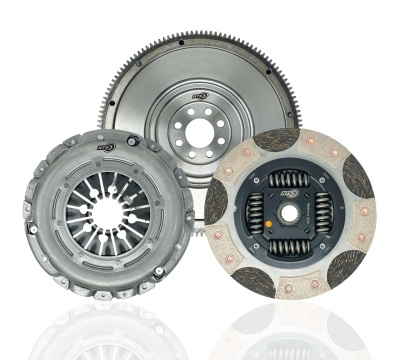
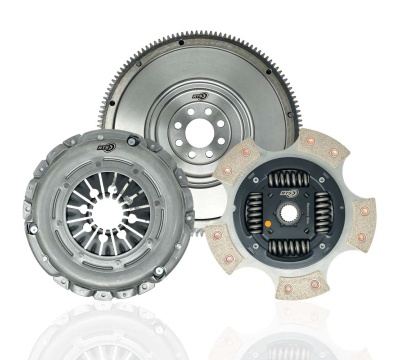
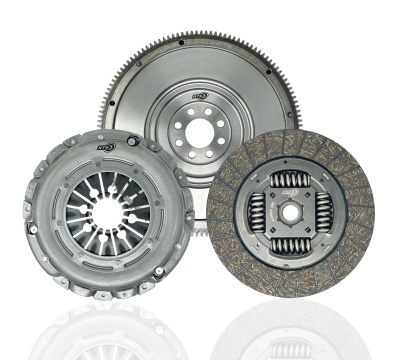
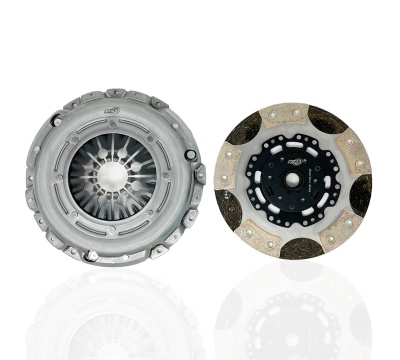
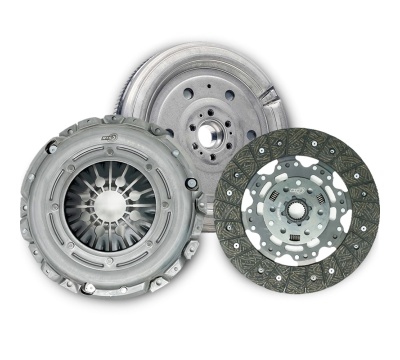
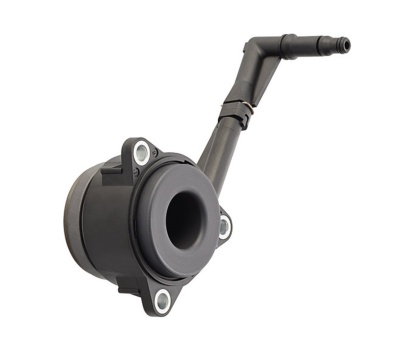
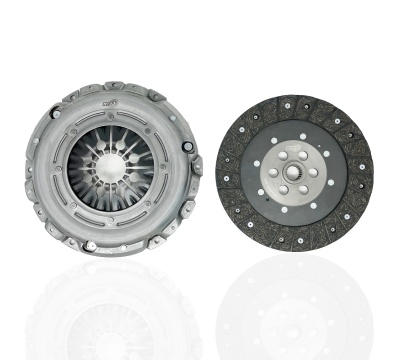
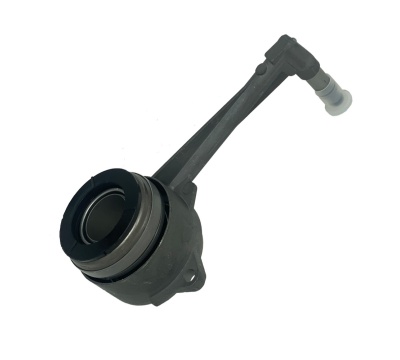
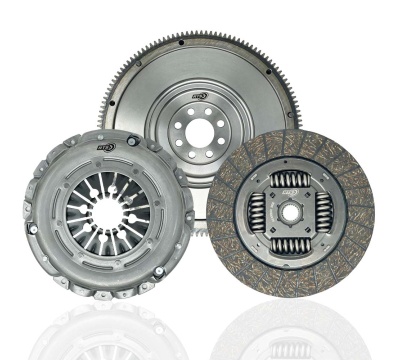
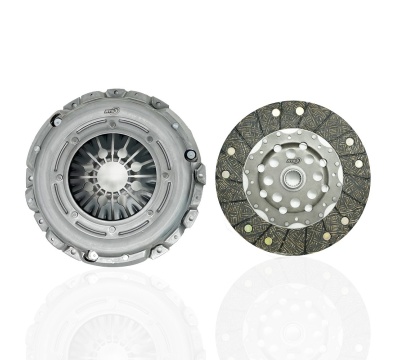
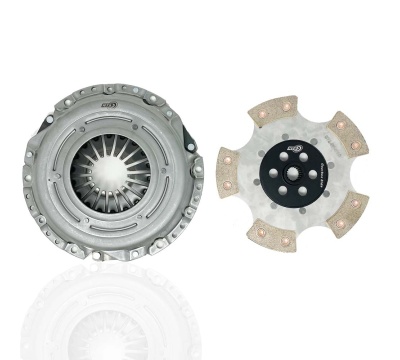
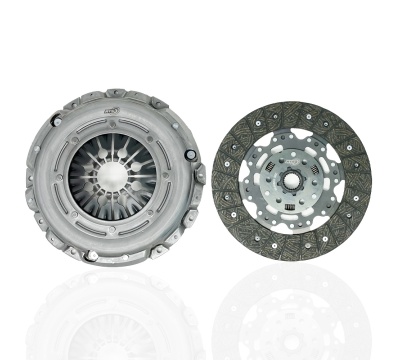
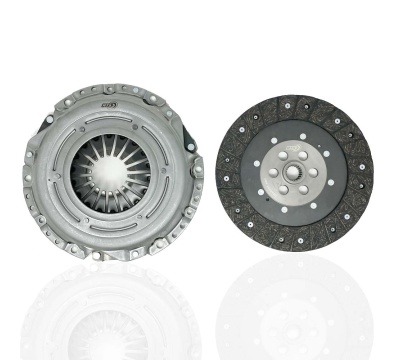
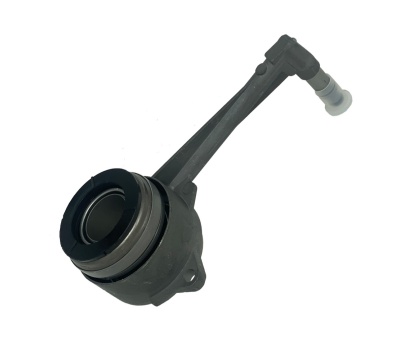
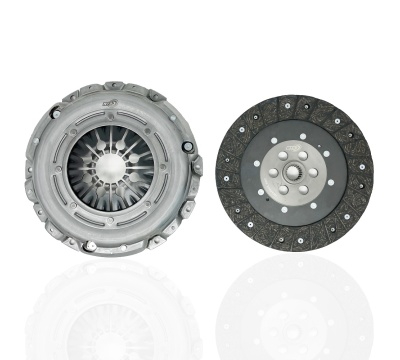
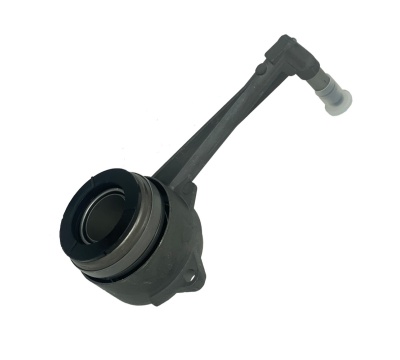
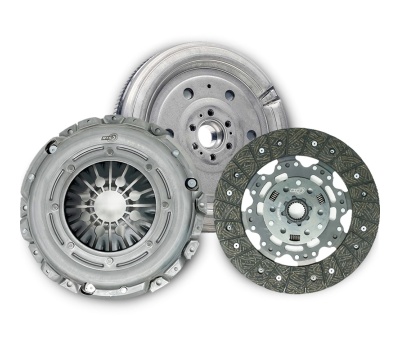
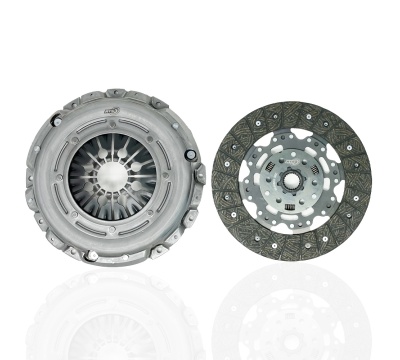
Clutch kits are a collection of replacement parts for your vehicle’s manual transmission, including items such as the clutch disc, pressure plate and clutch release bearings.
Because the vehicle’s transmission needs to be removed to replace any parts of your clutch, it can be more efficient and cost effective to replace the entire clutch with the items in a clutch kit. Then you know each part included in your clutch is as new as one another.
Clutch kits contain everything you need to replace each and every part of your clutch to get it working in tip top condition again.
Here’s a breakdown of what’s generally included in a clutch kit.
If you’d like to discuss any of these clutch parts further with us to understand further what parts may be required to fix your clutch issues, our expert team is always on hand to help.
Yes, clutch kits come with Release bearings as they’re a vital component to ensure your vehicle’s clutch works correctly and operates smoothly. However Some performance clutch kits do not come complete with the release bearing as they are designed to work with the stock/genuine unit. Check out our answer above to see what else is generally included in a clutch kit too.
A clutch kit can generally last around 60,000 to 100,000 miles but this mileage can vary greatly depending on your driving style, where you drive and the type of vehicle you have too.
These factors are the biggest ones that affect your clutch’s lifespan.
By doing your best to reduce these factors as much as possible where you can, you’ll help to extend the lifespan of the clutch on your vehicle. With that being said, a car that has been modified and remapped to reach higher performance requires an appropriate clutch kit to be able to handle high-intensity driving and the extra torque that comes with this.
Whilst the time it takes to replace your clutch kit can vary depending on the expertise of the person doing it, how many elements need repairing, the transmission type and even the type of vehicle. Replacing a clutch kit takes anywhere from 3 to 12 hours, but this could be extended if the mechanic runs into any problems or is more inexperienced.
Elements That Increase The Time
As you can see, there’s plenty of variables that can speed up or extend the process, but generally the 3 to 8 hour mark will be achieved more often than not.
There’s a fair few ‘tell-tale’ signs that your clutch is going, each of which require further investigation to ensure the safety of you and your vehicle.
Keep an eye out for one or more of these signs as they could indicate it’s time to get your clutch checked by a professional.
MOORFIELD GARAGE LIMITED is an Introducer Appointed Representative of Ideal Sales Solutions Ltd, t/a Ideal4Finance. Ideal Sales Solutions Ltd is a credit broker and not a lender (FRN 703401). Finance available subject to status. The rate offered is always provisional and will depend upon your personal circumstances, the loan amount and the term.
 Need help? We're available at 0113 250 8333 or Email us at service@moorfieldgermanmotors.co.uk