Your cart
There are no more items in your cart
 Exhaust Systems
 Intake & Cooling
 Suspension & Chassis
 Brakes
 Engine
 Electrics
 Fuel & Ignition
 Wheels & Tyres
 Clutch & Transmission
 Styling & Body Kits
 Accessories
 Fluids & Lubrication
 Turbos & Induction
 Cleaning & Detailing
 Service & Maintenance
 Exhaust Systems
Intake & Cooling
Suspension & Chassis
Brakes
Engine
Electrics
Fuel & Ignition
Wheels & Tyres
Clutch & Transmission
Styling & Body Kits
Accessories
Fluids & Lubrication
Turbos & Induction
Cleaning & Detailing
Service & Maintenance
Exhaust Systems
Intake & Cooling
Suspension & Chassis
Brakes
Engine
Electrics
Fuel & Ignition
Wheels & Tyres
Clutch & Transmission
Styling & Body Kits
Accessories
Fluids & Lubrication
Turbos & Induction
Cleaning & Detailing
Service & Maintenance




*subject to status, terms and conditions apply

Idealfinance is a broker and not a lender. There are risks involved in taking out a loan and you should ensure you can make all payments on time and in full; failure to do so can lead to financial difficulties and have a negative impact on your credit score

2-3 Business Days, Mainland UK

Finance your Purchase with Flexible Payment Plans
If you are unable to find or match the product you’re looking for. Please contact our Team!

With over 30 years of combined technician experience, you know your car will be in the right hands with us.

As close partners of EcoTune, APR and many more specialist dealers, you’re sure to receive only the very best car parts from us.

With our price match guarantee, we’ll match any lower prices you may find elsewhere, because we believe in putting you first.
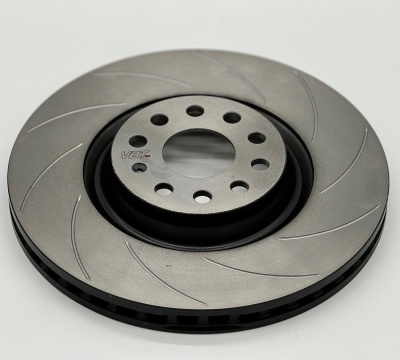
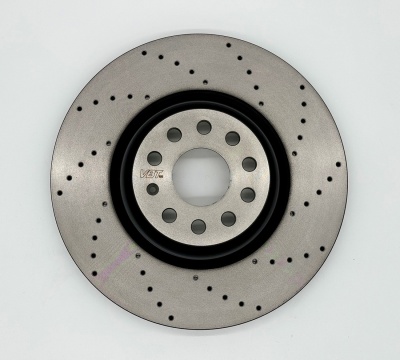
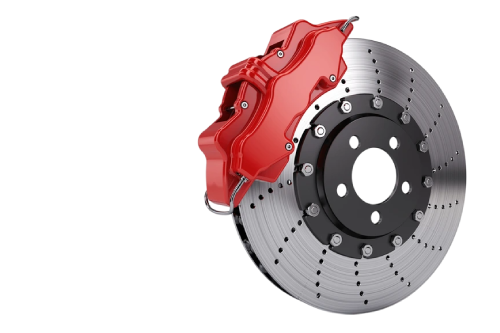
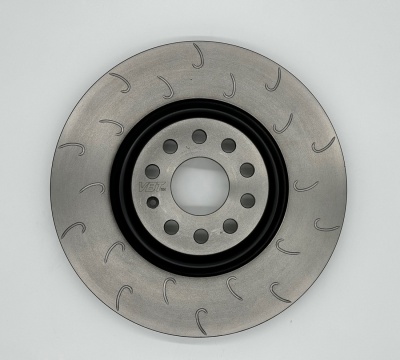
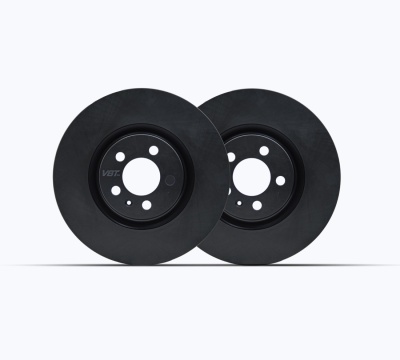
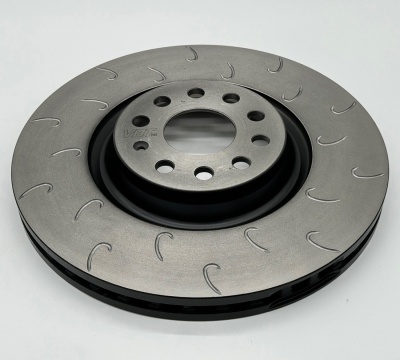
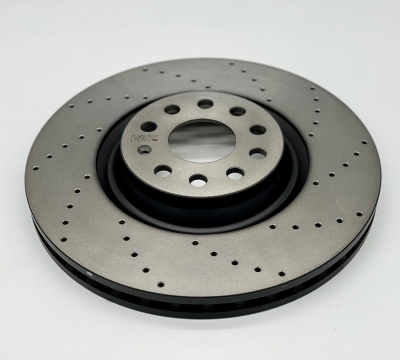
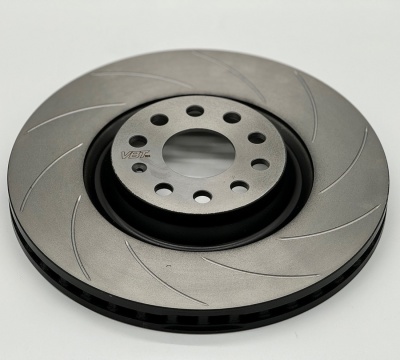
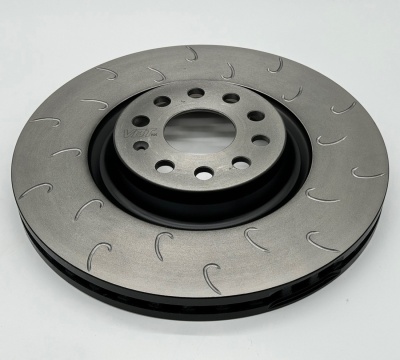
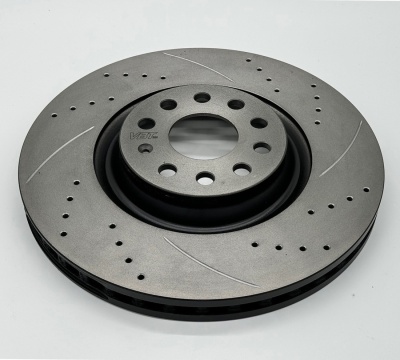
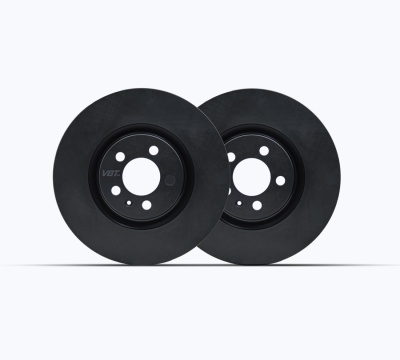
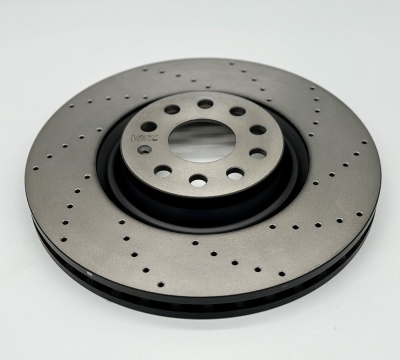
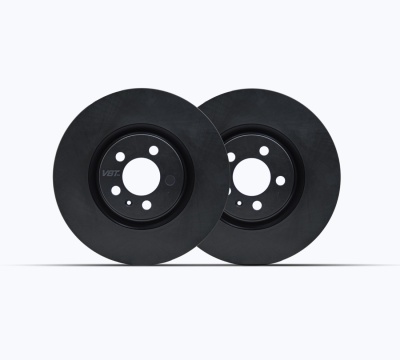
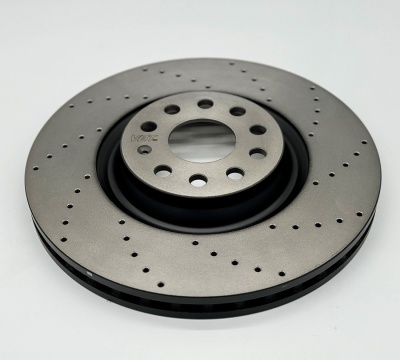
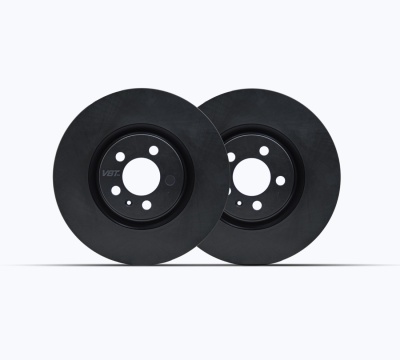
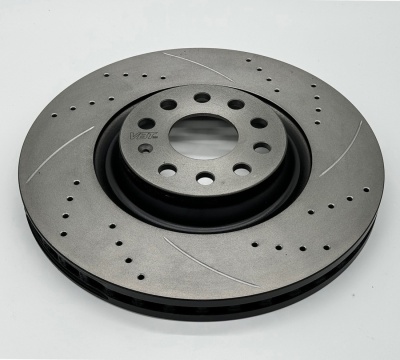
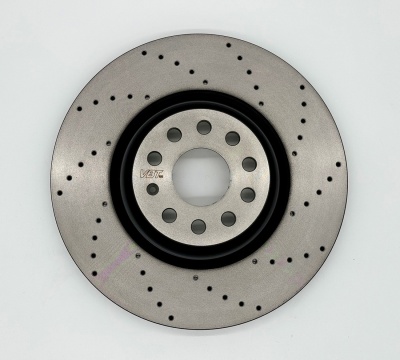
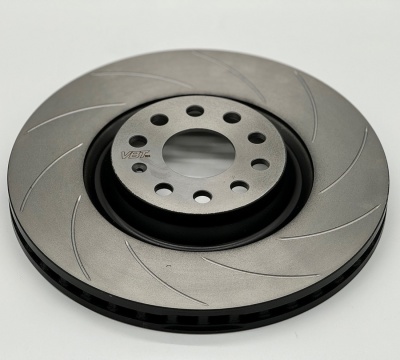
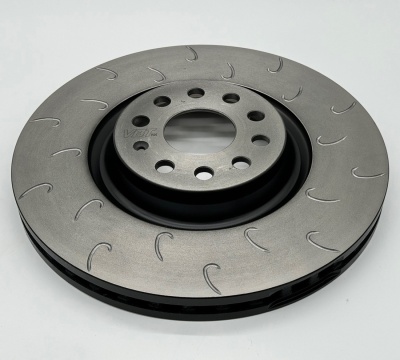
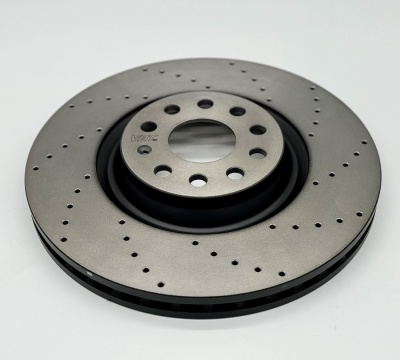
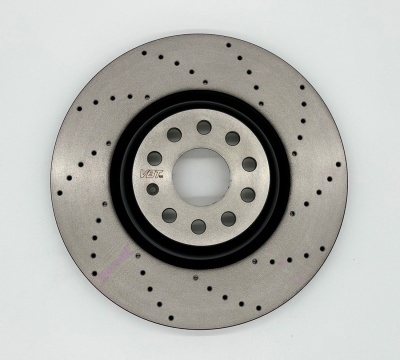
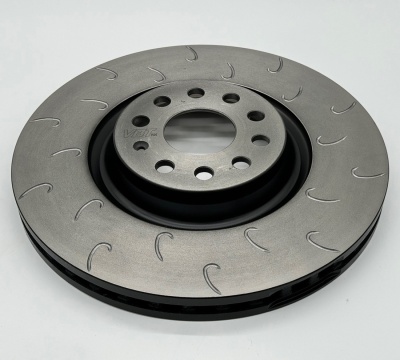
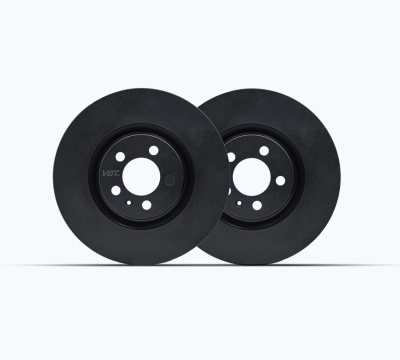
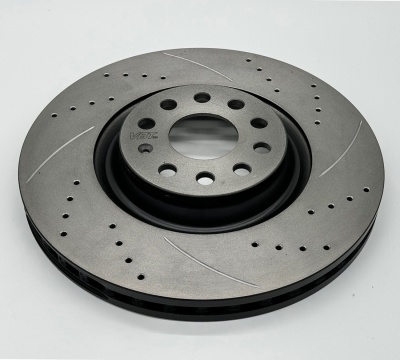
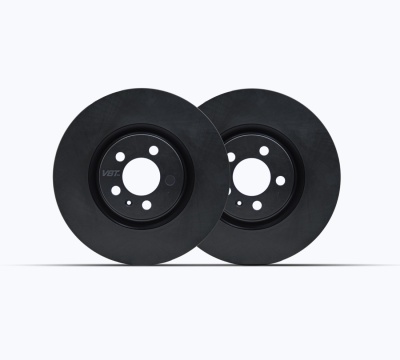
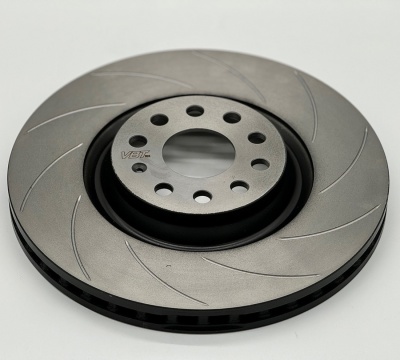
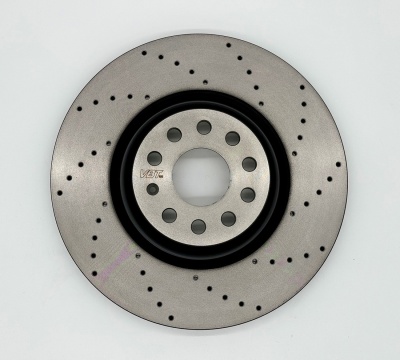
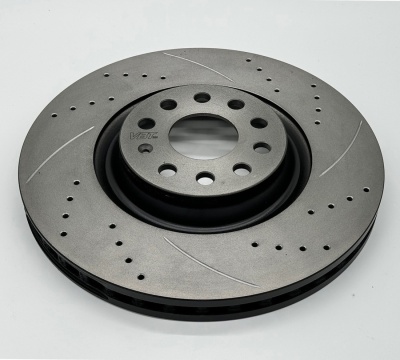
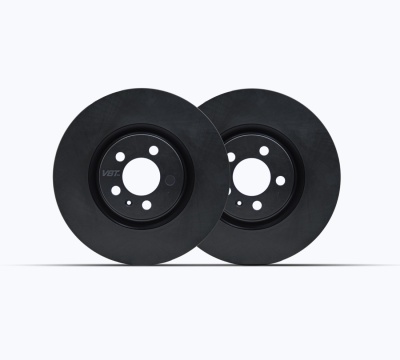
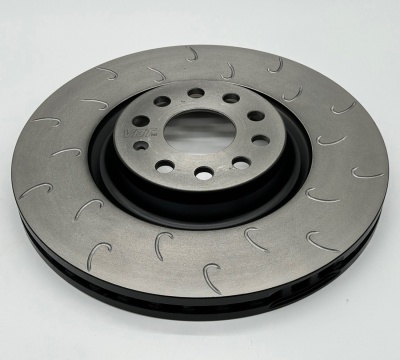
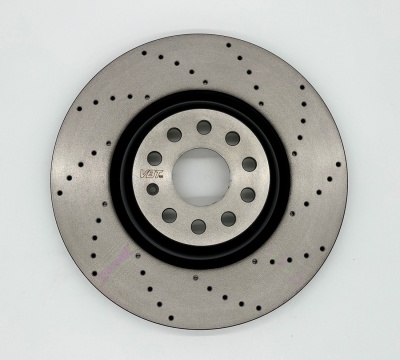
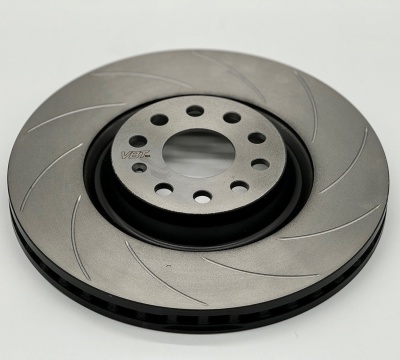
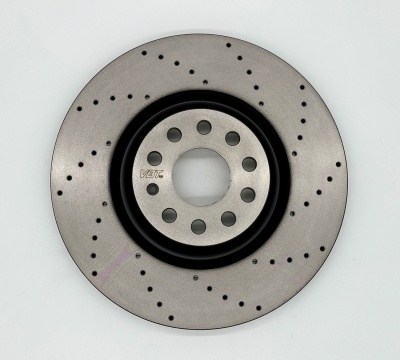
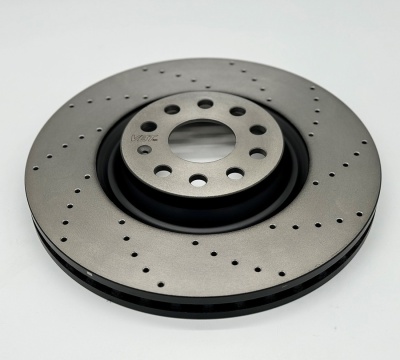
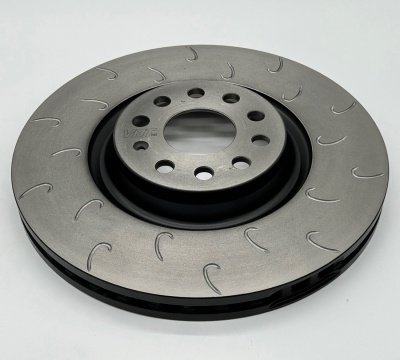
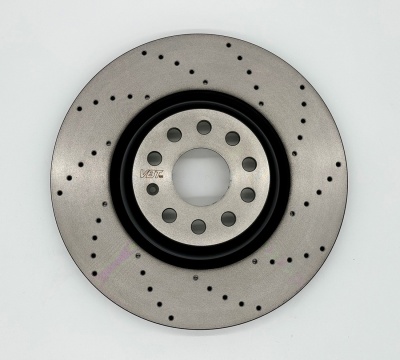
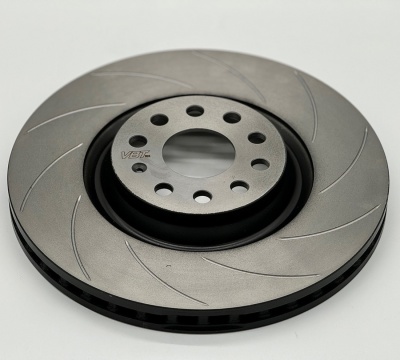
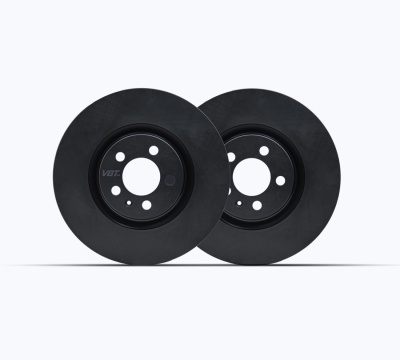
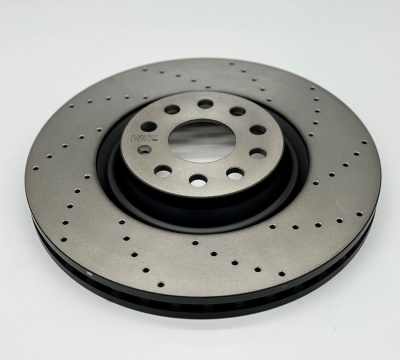
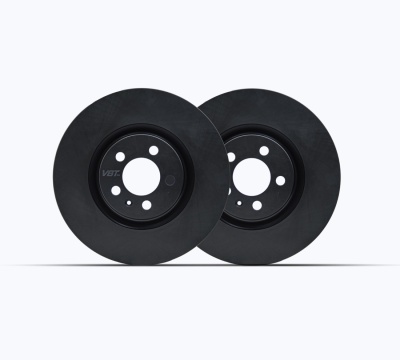
Here at Moorfield German Motors we have all the replacement brake parts and accessories you need. Whether you need a new set of brake discs or need to top up your brake fluid we have what you need.
Most manufacturers advise that brake pads generally last somewhere between 30,000 and 70,000 miles, which is a rather wide timeframe. That’s because there are a variety of factors that can influence this number.
So as you can see, there’s plenty of factors that influence how long your brake pads last, but if you’re seeing some of the tell-tale signs such as high pitched screeching, reduced responsiveness and longer stopping distances it’s time to investigate further and potentially replace them.
As a general rule brake discs tend to last anywhere between 30,000 to 80,000 miles or more, but again, much like brake pads, there are a range of variables that can extend or reduce the life of your brake disc. However, brake discs do tend to last longer than brake pads. Fronts typically can see two sets of brake pads in a lifetime where rears potentially see three sets due to brake bias.
When modifying your vehicle to unlock more potential power gains, a major rule of thumb is that stopping power must reflect engine power too. If you use standard factory fitted brake pads and discs with a stage 1 or 2 remap, it could dangerously result in brake fade. Reach out to us and ask any questions if you’re unsure about anything.
There are a variety of reasons why your brakes may be making a squeaking noise, from the harmless to more pressing reasons.
Brake fluid is essential for ensuring your brakes work correctly on your vehicle. The brake fluid transfers the force that’s applied when you press your brake pedal to your brake calipers or wheel cylinders which then applies the brakes to slow down the vehicle.
Brake fluid should be checked Annually for moisture content. Brake fluid is "hygroscopic," meaning it acts like a sponge for moisture. We check this as part of every service with a piece of equipment which tells us the percentage of moisture in the fluid. If the moisture content is over 3%, it is a safety priority. Because, even though your brake system is ‘sealed,’ moisture microscopically permeates through rubber hoses and seals over time.
Most UK manufacturers (Vauxhall, Ford, BMW, VW group) specify a 2-year or 24,000-mile interval.
For this reason, it’s important to ensure that you regularly check and change your brake fluid level. We recommend that you check it every three months to make sure there is enough fluid, and change it completely every 24 months. Let’s break down exactly what’s required when checking your brake fluid and topping it up:
Step 1: Locate The Brake Fluid Reservoir
The first step is to locate the brake fluid reservoir under the car’s bonnet, located to the back of the engine compartment. It’s usually in a white container, the cap is Black or Yellow and the fluid itself is a pale yellow shade. If you’re unsure what yours would look like, double check in your vehicle’s handbook.
Before you start checking the levels of your brake fluid, we recommend that you park your car on a flat surface to get an accurate reading.
Step 2: Check The Levels
On the reservoir, you’ll see minimum and maximum markers. If the fluid is under the minimum marker, it’s essential for it to be topped up for it to perform safely.
Step 3: Carefully Add The New Brake Fluid
We recommend that you start by removing the fluid cap and cleaning it so no debris gets inside. This is important since any dust or debris can clog your brakes, reduce their performance and even damage other internal car parts, so it’s a good idea to just remove any of the dust accumulated inside the cap. Once you’ve completed this part, carefully add the new brake fluid until it reaches the maximum mark. Screw the cap back on, and double check that no dirt has fallen into the reservoir.
If you’ve noticed that there is a lot of dirt in the brake fluid reservoir, get in contact with us and we’ll be able to carry out a complete brake fluid change for you. It’s worth it to ensure that everything is running smoothly and your brakes are less prone to damage.
Step 4: Drive Your Vehicle A Short Distance
A good way to test that your new top-up is working is by driving a short distance. After this, check the fluid levels again to see if there’s been any drainage.
If you’ve just topped up your brake fluid reservoir and noticed that it’s rapidly depleted, it could mean that there’s a leakage in your braking system. We can help you fix this issue if you contact us / call us on 0113 250 8333 to book in for a service appointment.
MOORFIELD GARAGE LIMITED is an Introducer Appointed Representative of Ideal Sales Solutions Ltd, t/a Ideal4Finance. Ideal Sales Solutions Ltd is a credit broker and not a lender (FRN 703401). Finance available subject to status. The rate offered is always provisional and will depend upon your personal circumstances, the loan amount and the term.
 Need help? We're available at 0113 250 5444 or Email us at service@moorfieldgermanmotors.co.uk