Your cart
There are no more items in your cart
 Exhaust Systems
 Intake & Cooling
 Suspension & Chassis
 Brakes
 Engine
 Electrics
 Fuel & Ignition
 Wheels & Tyres
 Clutch & Transmission
 Styling & Body Kits
 Accessories
 Fluids & Lubrication
 Turbos & Induction
 Cleaning & Detailing
 Service & Maintenance
 Exhaust Systems
Intake & Cooling
Suspension & Chassis
Brakes
Engine
Electrics
Fuel & Ignition
Wheels & Tyres
Clutch & Transmission
Styling & Body Kits
Accessories
Fluids & Lubrication
Turbos & Induction
Cleaning & Detailing
Service & Maintenance
Exhaust Systems
Intake & Cooling
Suspension & Chassis
Brakes
Engine
Electrics
Fuel & Ignition
Wheels & Tyres
Clutch & Transmission
Styling & Body Kits
Accessories
Fluids & Lubrication
Turbos & Induction
Cleaning & Detailing
Service & Maintenance




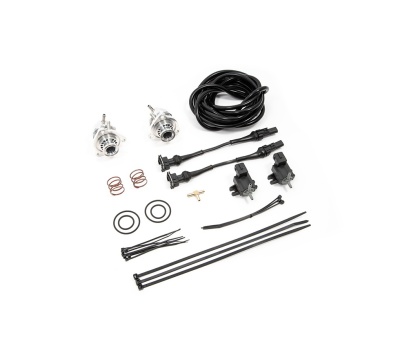
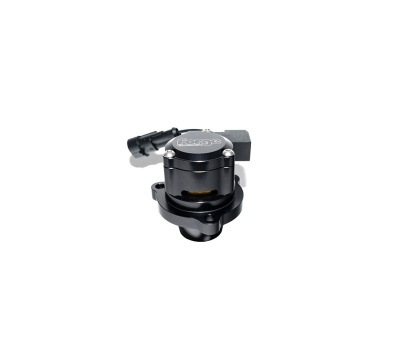
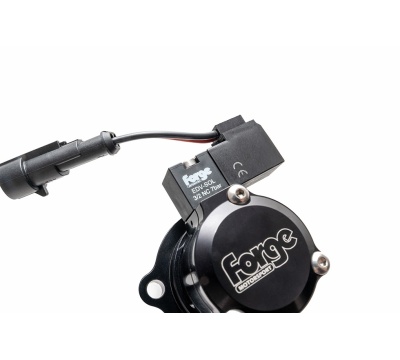
*subject to status, terms and conditions apply

Idealfinance is a broker and not a lender. There are risks involved in taking out a loan and you should ensure you can make all payments on time and in full; failure to do so can lead to financial difficulties and have a negative impact on your credit score


2-3 Business Days, Mainland UK

Finance your Purchase with Flexible Payment Plans
If you are unable to find or match the product you’re looking for. Please contact our Team!

With over 30 years of combined technician experience, you know your car will be in the right hands with us.

As close partners of EcoTune, APR and many more specialist dealers, you’re sure to receive only the very best car parts from us.

With our price match guarantee, we’ll match any lower prices you may find elsewhere, because we believe in putting you first.
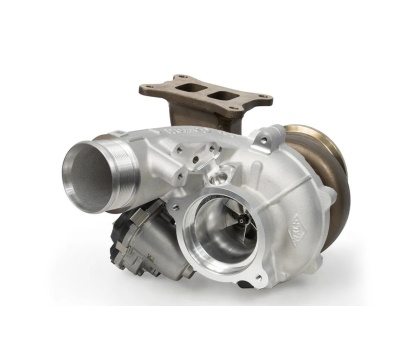
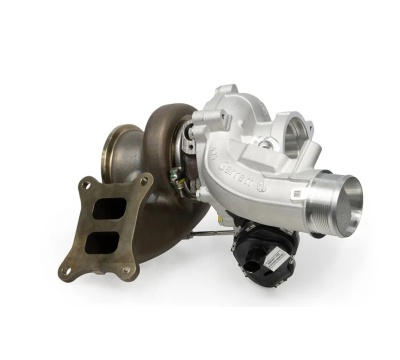
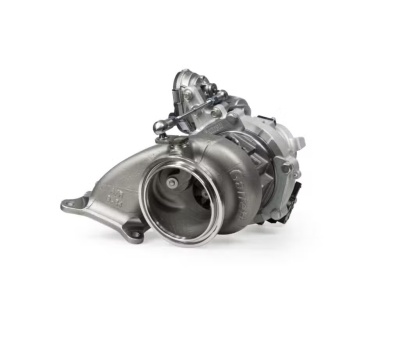
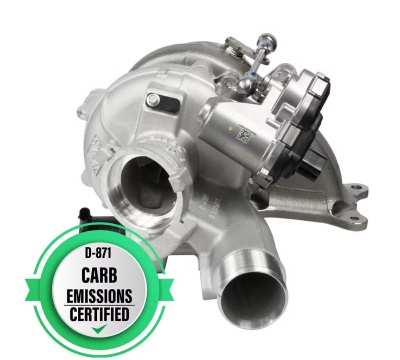
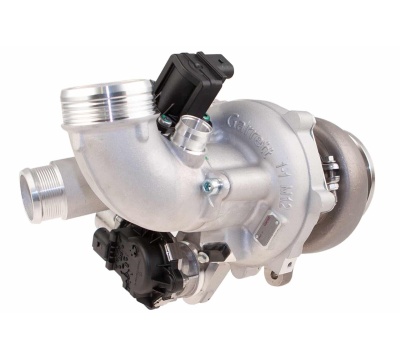
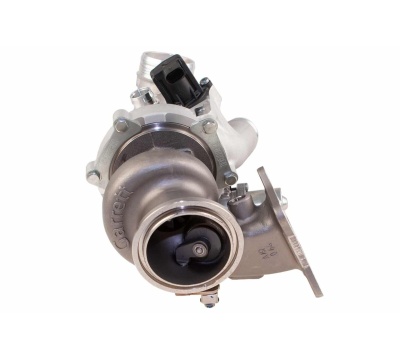
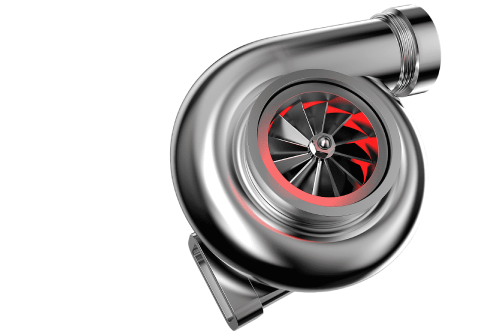
Our Turbochargers are used as a performance modification that is a part of a level 3 stage upgrade. They’re designed with a turbine housing wheel which is driven by the exhaust gasses and a compressing system that forces air into the engine, which drastically increases airflow. Ultimately, this leads to increased engine horsepower and torque, ideal if you’re looking for that wow factor when it comes to vehicle performance.
High performance turbochargers force a lot more air than the original unit, so for the vehicle to handle this safely and for you to gain the additional power you’re looking for, a stage 3 ECU tune is required. The turbo operates beyond factory limits, and without the correct calibration, it can lead to engine damage.
Our professional mechanics will ensure that the job is done safely for you, as the turbocharger and ECU need to go hand in hand to achieve great performance without damaging your vehicle.
Get in touch with us to book your installation, and we’ll check if your vehicle is compatible and safe for this process with our pre-tune inspection.
Due to the fact that the turbo charger increases a large amount of airflow to the engine, it’s essential to choose the right quality fuel. Whilst as long as the fuel used matches to the map, no damage to your engine will be caused, but the vehicle will make less power.
Whilst you could run a vehicle that has a 95ron map with 99ron fuel with no issues, the opposite can’t be said. Running a vehicle with 99ron software with 95ron fuel results in increased knock and ignition pull. The ECU can only pull back ignition so much and damage can be caused pretty quickly under high throttle input.
Typically, turbo chargers can last between 100,000-150,000 miles, but this depends on several factors. Let’s break down the different factors that can contribute to your turbocharger’s lifespan:
MOORFIELD GARAGE LIMITED is an Introducer Appointed Representative of Ideal Sales Solutions Ltd, t/a Ideal4Finance. Ideal Sales Solutions Ltd is a credit broker and not a lender (FRN 703401). Finance available subject to status. The rate offered is always provisional and will depend upon your personal circumstances, the loan amount and the term.
 Need help? We're available at 0113 250 5444 or Email us at service@moorfieldgermanmotors.co.uk