Your cart
There are no more items in your cart
 Exhaust Systems
 Intake & Cooling
 Suspension & Chassis
 Brakes
 Engine
 Electrics
 Fuel & Ignition
 Wheels & Tyres
 Clutch & Transmission
 Styling & Body Kits
 Accessories
 Fluids & Lubrication
 Turbos & Induction
 Cleaning & Detailing
 Service & Maintenance
 Exhaust Systems
Intake & Cooling
Suspension & Chassis
Brakes
Engine
Electrics
Fuel & Ignition
Wheels & Tyres
Clutch & Transmission
Styling & Body Kits
Accessories
Fluids & Lubrication
Turbos & Induction
Cleaning & Detailing
Service & Maintenance
Exhaust Systems
Intake & Cooling
Suspension & Chassis
Brakes
Engine
Electrics
Fuel & Ignition
Wheels & Tyres
Clutch & Transmission
Styling & Body Kits
Accessories
Fluids & Lubrication
Turbos & Induction
Cleaning & Detailing
Service & Maintenance




*subject to status, terms and conditions apply

Idealfinance is a broker and not a lender. There are risks involved in taking out a loan and you should ensure you can make all payments on time and in full; failure to do so can lead to financial difficulties and have a negative impact on your credit score

2-3 Business Days, Mainland UK

Finance your Purchase with Flexible Payment Plans
If you are unable to find or match the product you’re looking for. Please contact our Team!

With over 30 years of combined technician experience, you know your car will be in the right hands with us.

As close partners of EcoTune, APR and many more specialist dealers, you’re sure to receive only the very best car parts from us.

With our price match guarantee, we’ll match any lower prices you may find elsewhere, because we believe in putting you first.
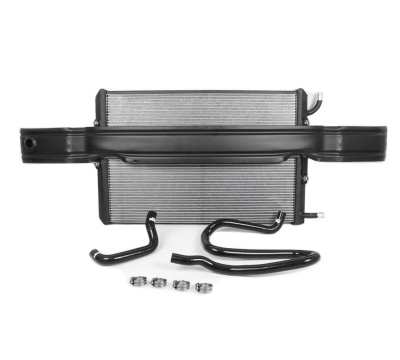
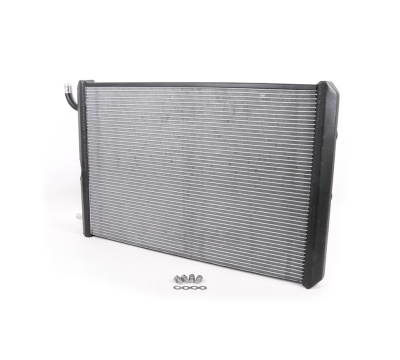
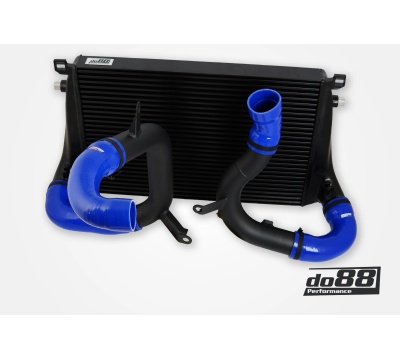
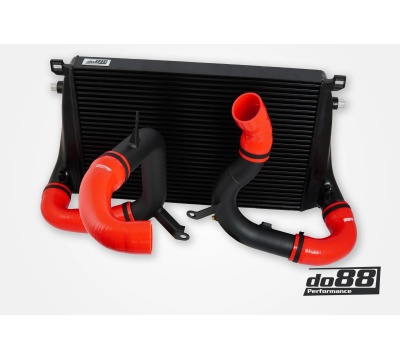
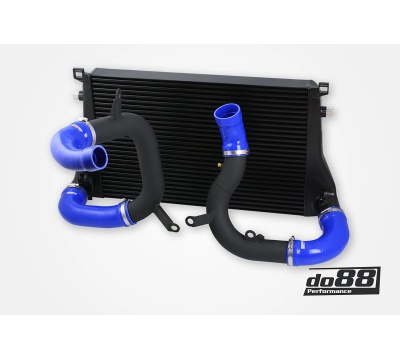
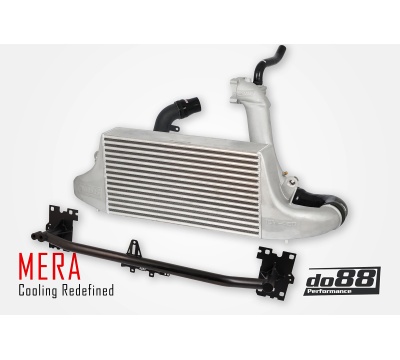
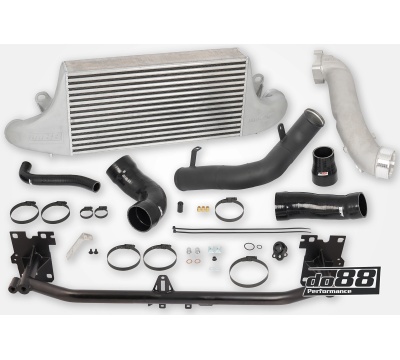
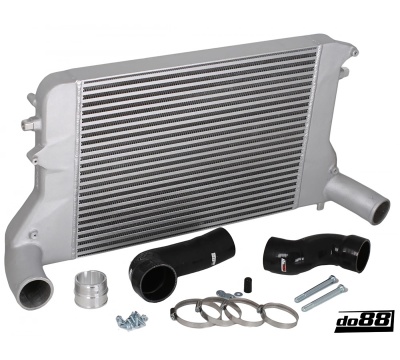
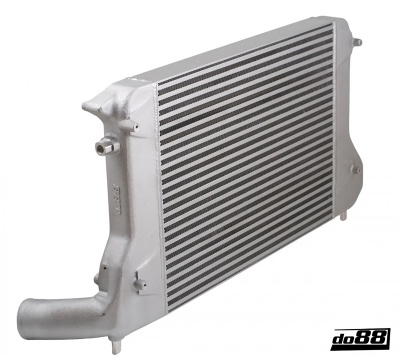
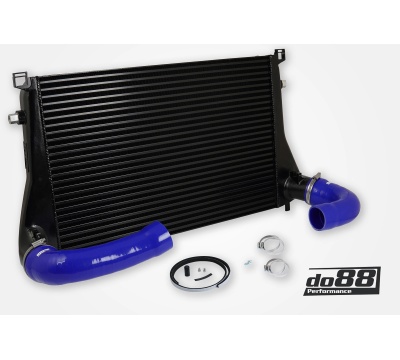
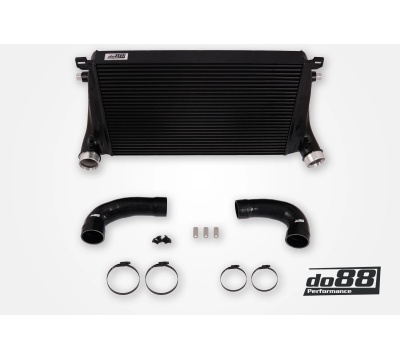
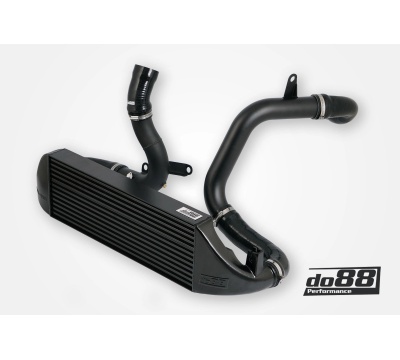
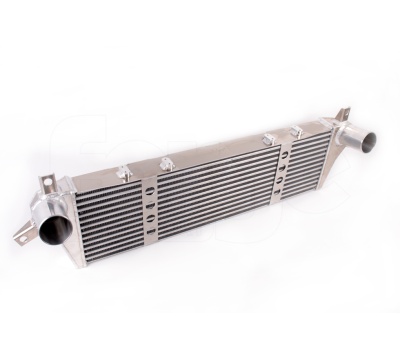
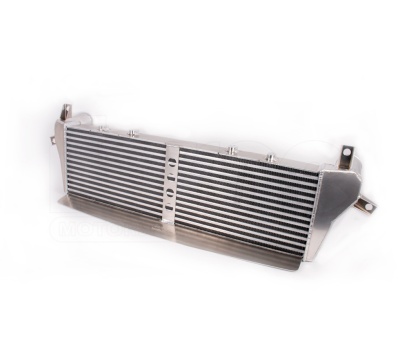
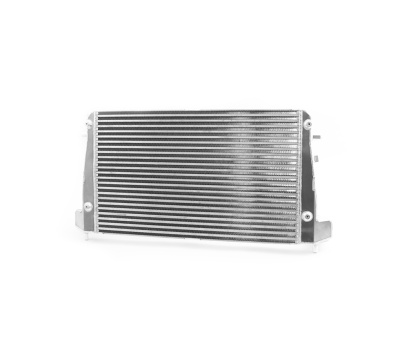
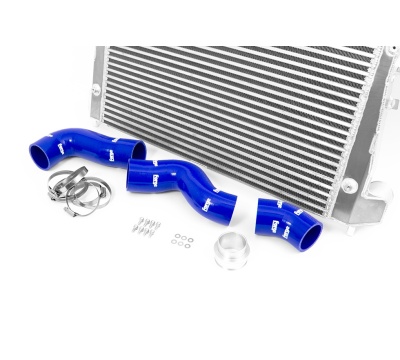
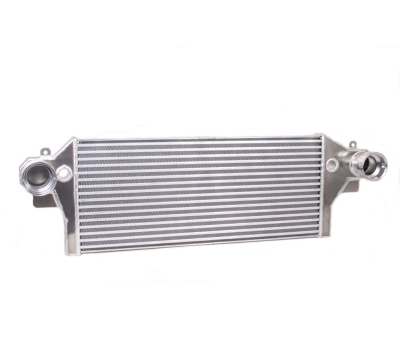
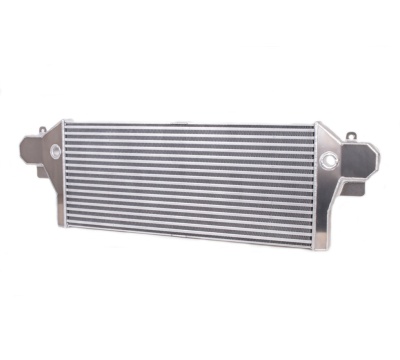
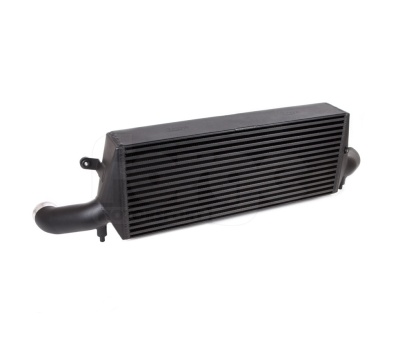
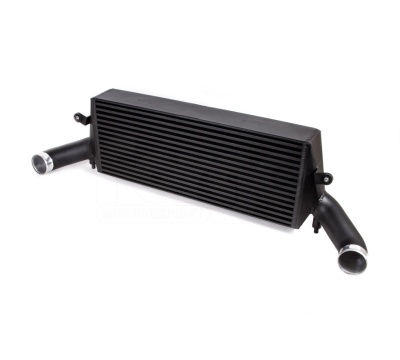
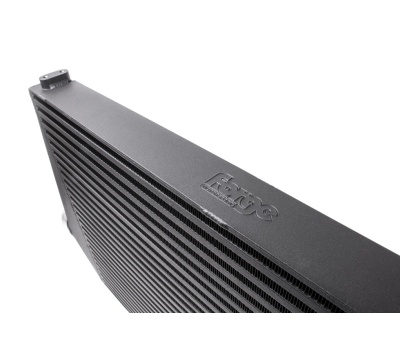
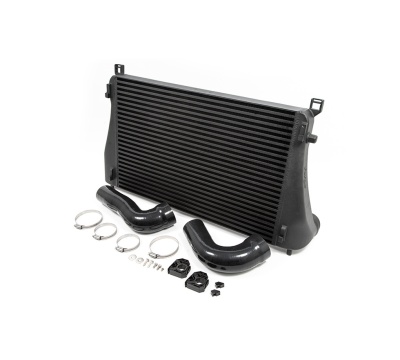
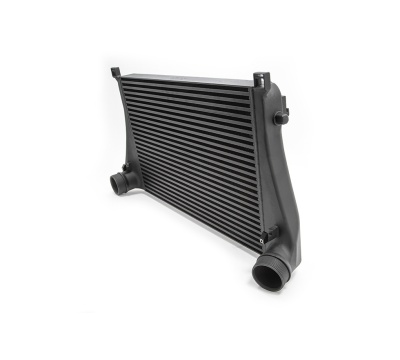
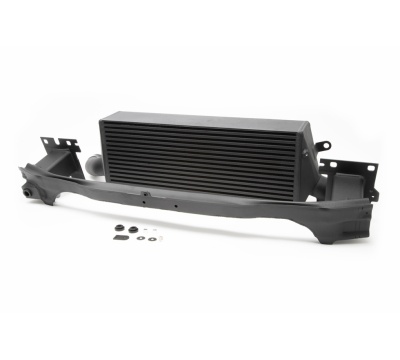
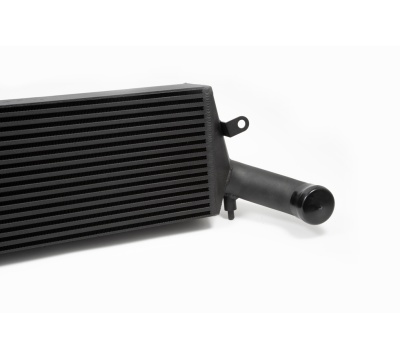
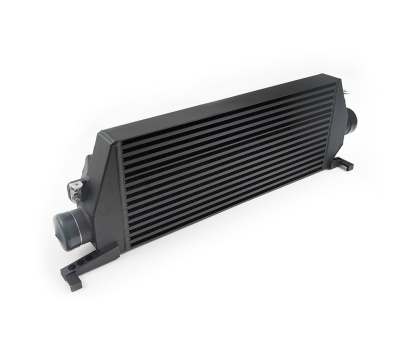
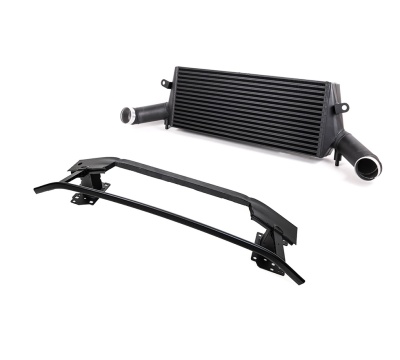
Intercoolers help to cool down the hot air from your vehicle’s turbocharger or supercharger so it can provide your engine with cooler, denser air that contains more oxygen. This results in more power and performance, plus it helps to prevent your engine from overheating too.
Turbochargers and superchargers compress air to increase the density of it to try and force more air into your engine’s cylinders. In turn, this process heats up the air and unfortunately works against the turbocharger or supercharger’s aim, because hotter air is less dense.
Intercoolers help to counteract this process, cooling down the compressed air and providing your engine with more oxygen which helps to improve the combustion process in each cylinder.
So by installing an intercooler alongside your supercharger or turbocharger, they can work together to squeeze more air into each of your engine’s cylinders.
Upgraded intercoolers give improved efficiency over the factory fitted unit. This is usually achieved by increasing its surface area, using a more efficient, but usually more expensive core design or a combination of the two.
Factory intercoolers are built to be as affordable as possible while controlling the intake temperatures found in a stock vehicle's intake system. When tuning vehicles these intercoolers can quickly become insufficient and that is where an aftermarket upgrade is required.
You technically can install an intercooler on a vehicle with no turbocharger or supercharger installed, but it wouldn’t improve performance and in fact could well hinder it.
Intercoolers cool the temperature of air from turbochargers and superchargers down to an ambient temperature and since there’s nothing now heating the air to a higher than ambient level, the intercooler wouldn’t do anything, other than add weight to your car and likely hinder speed and power.
Cleaning your intercooler may not actually be required and may only have a small impact on performance if any. Cleaning your intercooler won’t improve airflow unless it’s really filthy, however it may help to improve heat transfer efficiency, which can have a positive effect during hard acceleration on a warm day. However this is often only the case if your car also contains a stock chip.
However, if you’d like to clean your intercooler to try and gain extra performance out of your car, here’s the steps to take.
Step 1: Removal
Step 2: Internal Cleaning
Step 3: Externally Cleaning The Intercooler
Step 4: Drying & Re-Installation
Whilst radiators and intercoolers are both heat exchangers, they aren’t the same thing and serve different purposes in your vehicle’s engine. Plus, radiators are present in any vehicle that has an internal combustion engine, but intercoolers are only found (or needed) on vehicles that have turbocharged or supercharged engines.
Whilst both intercoolers and radiators are designed to keep engines cool and run more efficiently, the way in which they achieve this is different.
Intercoolers cool compressed air from a turbocharger or supercharger to improve efficiency and power by providing the engine with cooler, denser air that contains more oxygen.
Radiators keep the coolant in the engine cool by diverting it to its many fins which help to dissipate the heat when air currents flow over them as the vehicle moves.
Not all intercoolers are universal, however there are universal intercoolers that could be described as a ‘one size fits all’ product. These are a useful option for vehicles that don’t have a model specific intercooler available. Whether that’s because your vehicle’s intercoolers have been discontinued or potentially your local motorshop doesn’t stock one.
However if you can opt for a model specific intercooler we’d certainly recommend doing so. They provide the most benefits and have been built specifically for that model.
You certainly can paint your intercooler a different colour or create a cool design by using a stencil, however you have to be careful with what paint you use and the amount of paint you use. Plus, it’s very important to be very careful as the intercooler fins are very delicate.
You must use a very light coat of radiator safe paint to avoid reducing the intercoolers cooling efficiency by too much (the extra layer of paint is likely to minimise its performance, but it’s likely to be by a negligible amount).
It may be a better idea to try and purchase an intercooler that’s already in the colour you’d prefer rather than adding another layer of paint which will minimally reduce the intercooler's effectiveness.
Another option is to have your intercooler professionally ceramic coated which can improve the intercoolers efficiency without restricting the air flow through the unit, however if the intercooler is already coated this is usually not possible or it’s very difficult to remove the original coating.
MOORFIELD GARAGE LIMITED is an Introducer Appointed Representative of Ideal Sales Solutions Ltd, t/a Ideal4Finance. Ideal Sales Solutions Ltd is a credit broker and not a lender (FRN 703401). Finance available subject to status. The rate offered is always provisional and will depend upon your personal circumstances, the loan amount and the term.
 Need help? We're available at 0113 250 5444 or Email us at service@moorfieldgermanmotors.co.uk